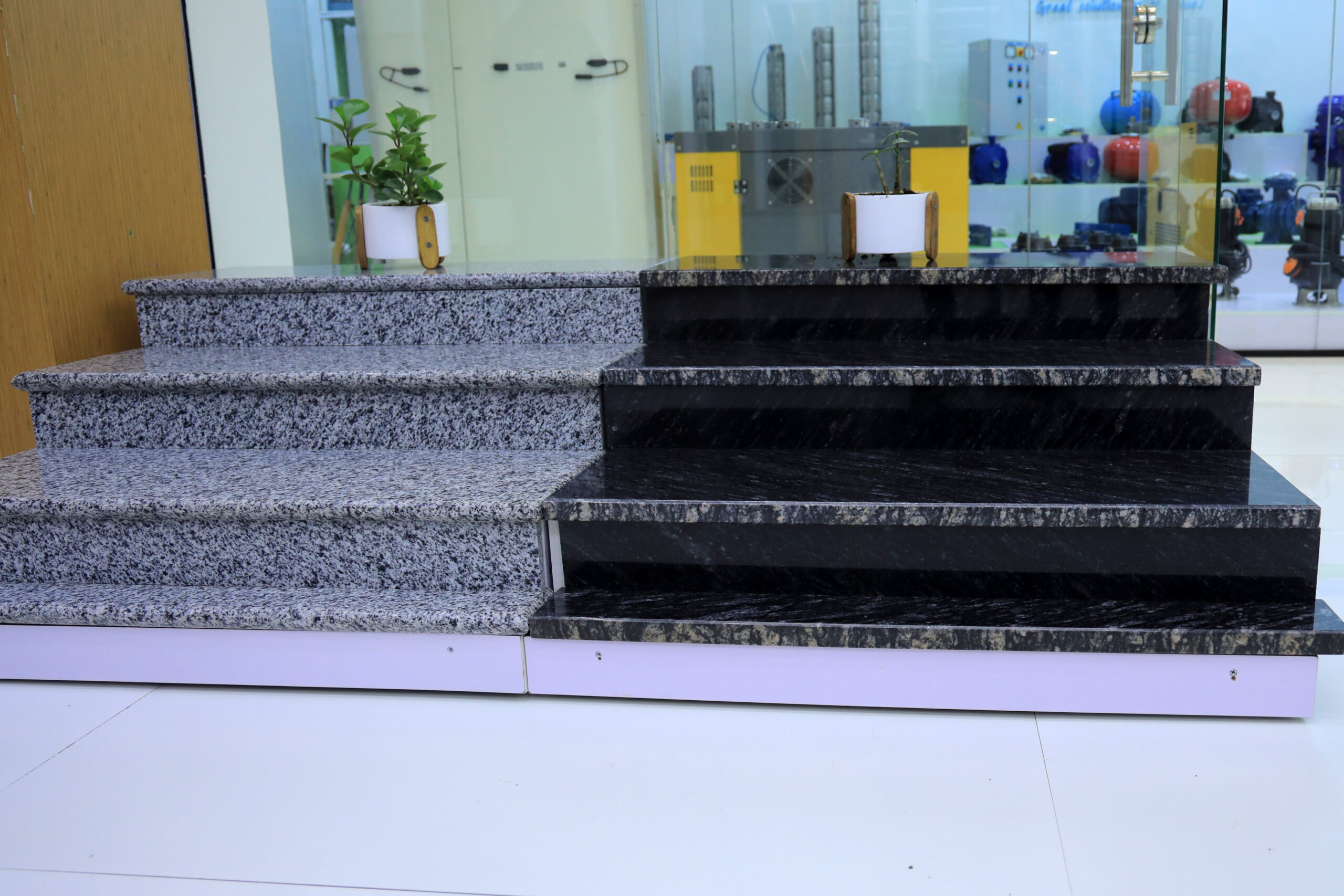
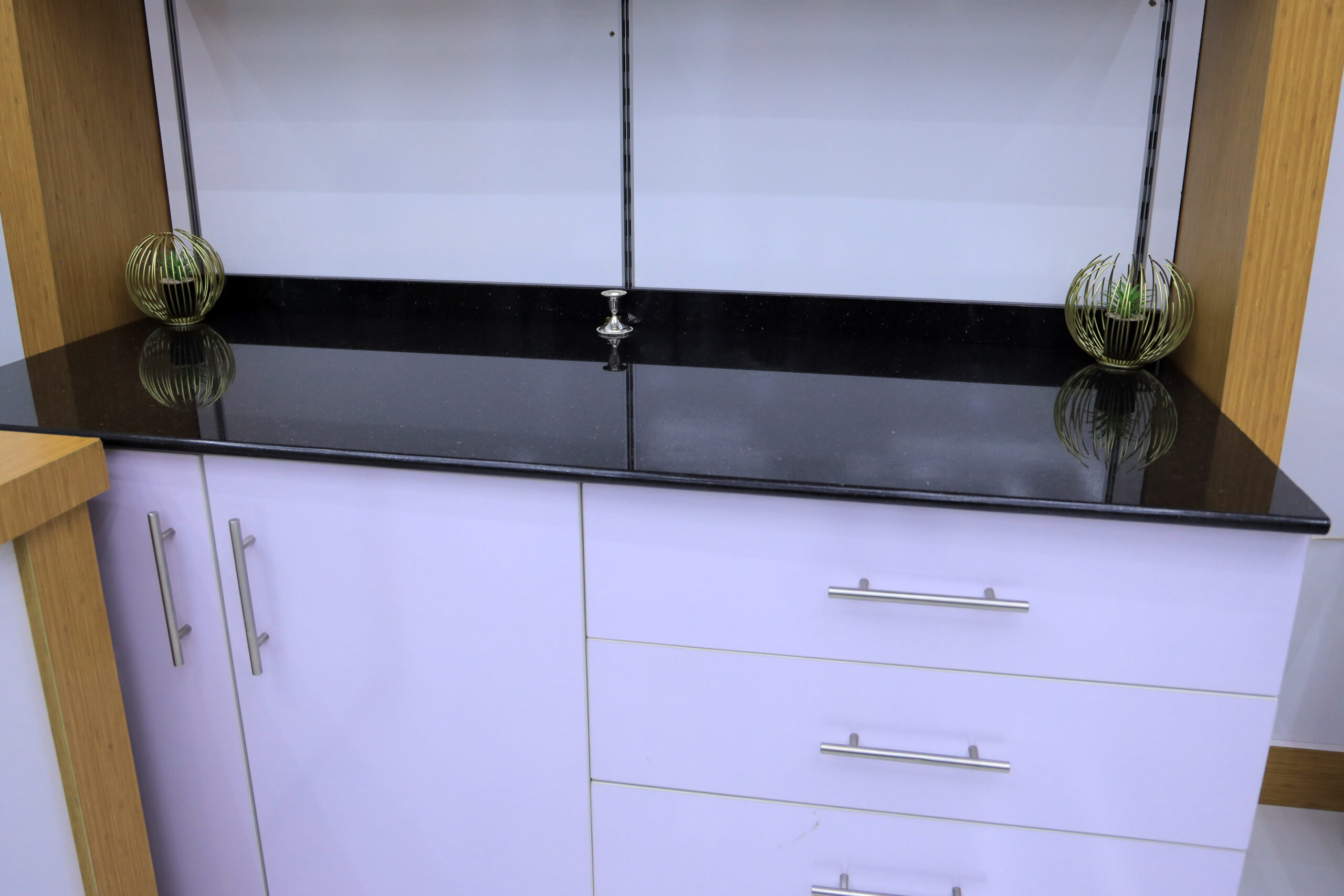
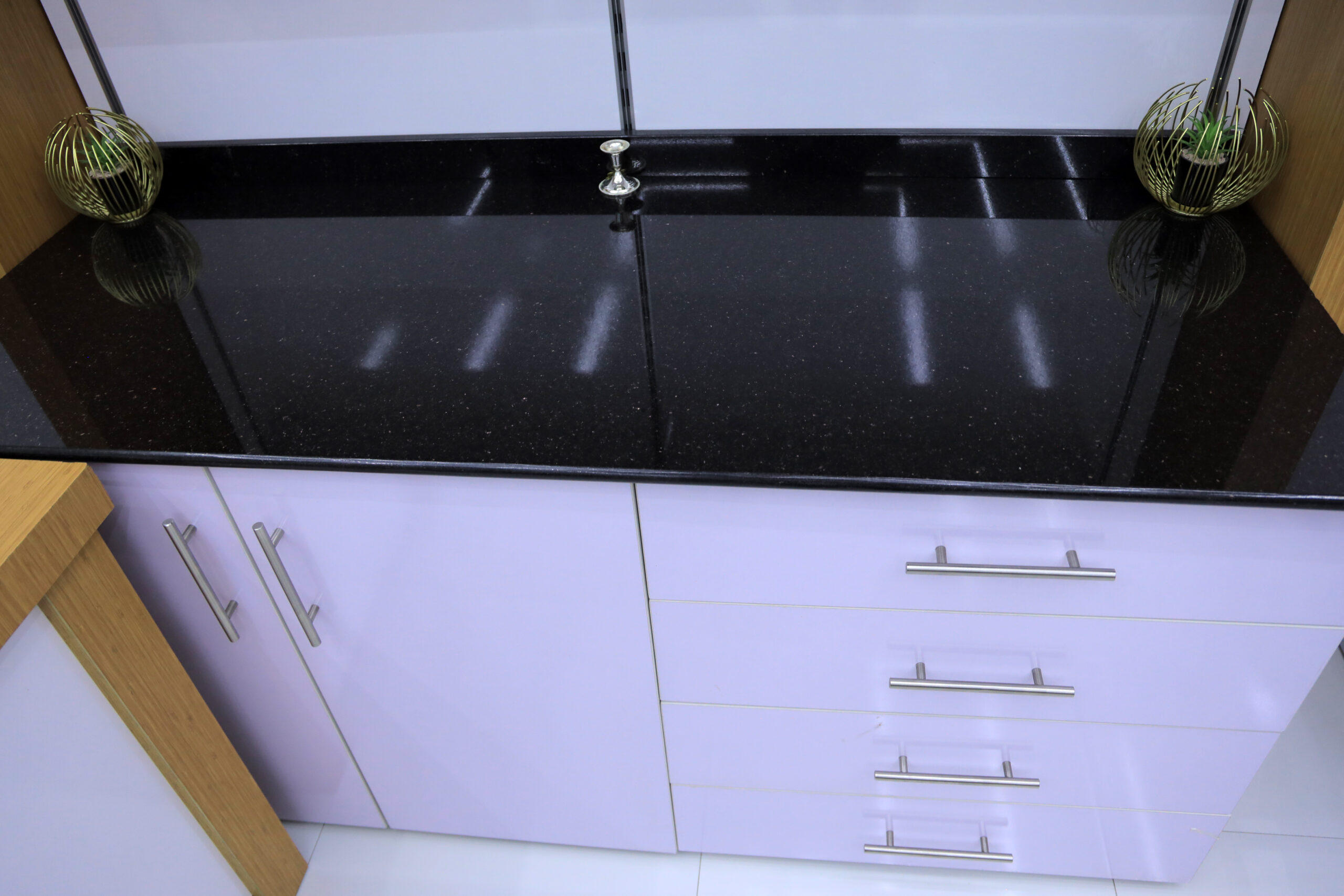
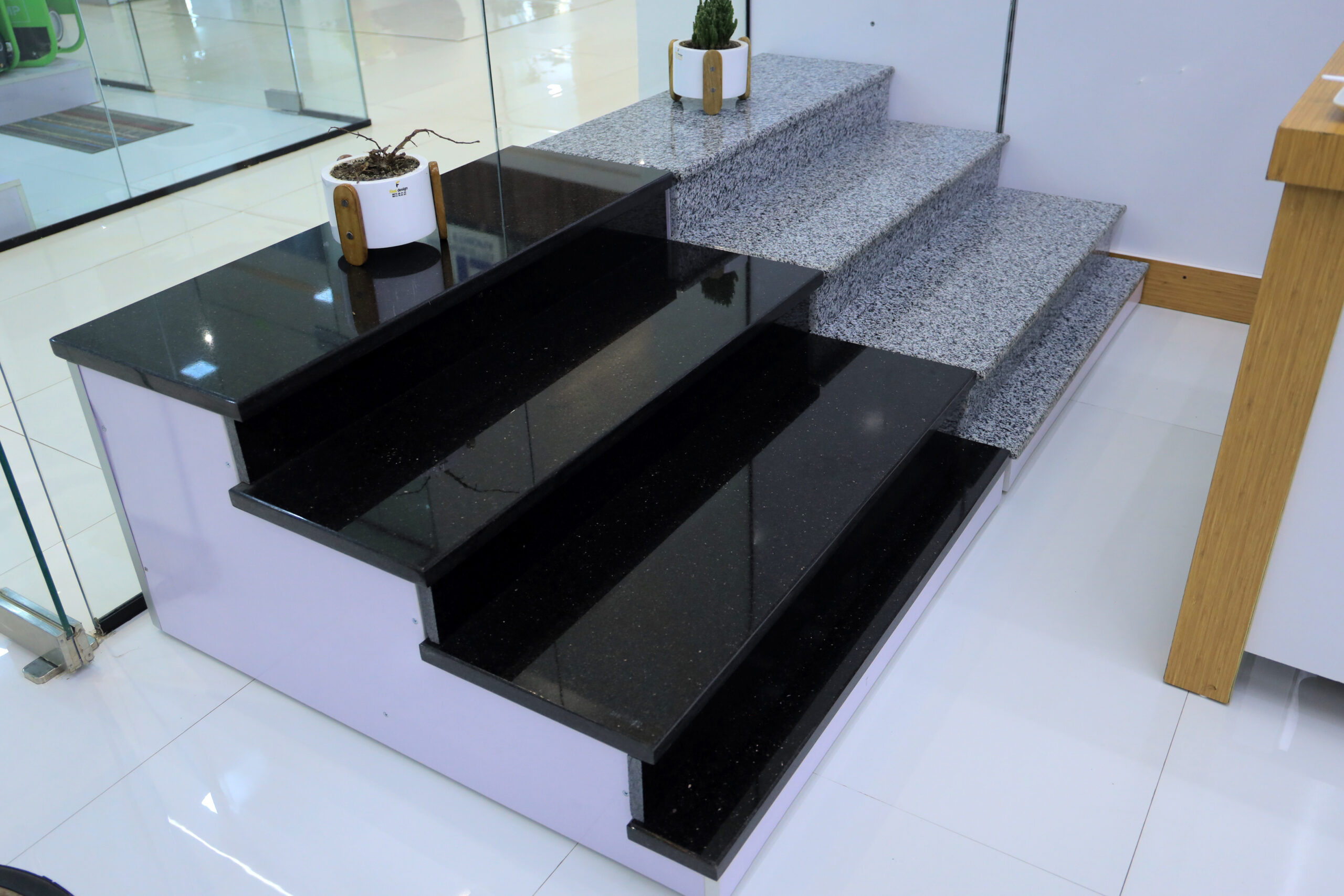
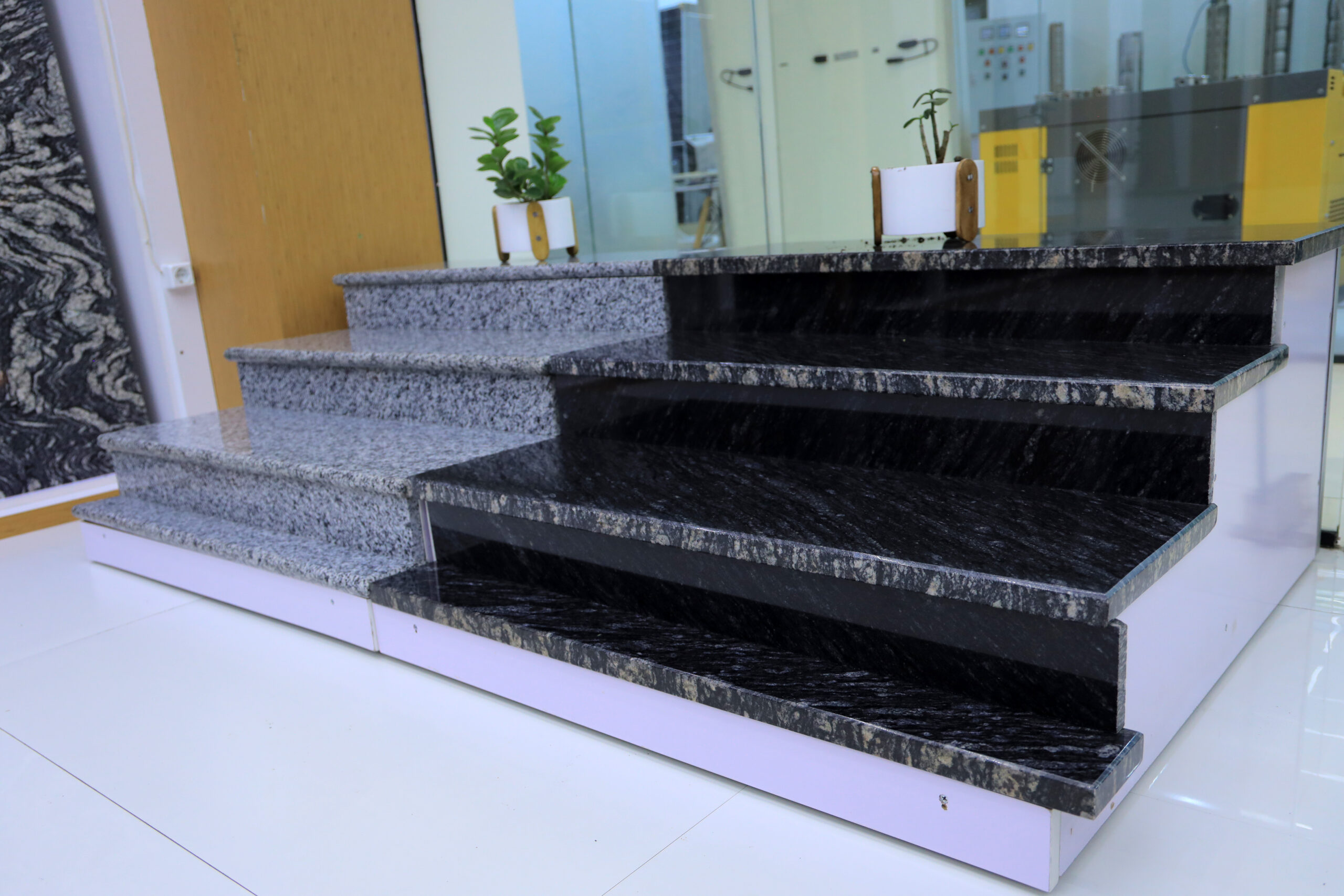
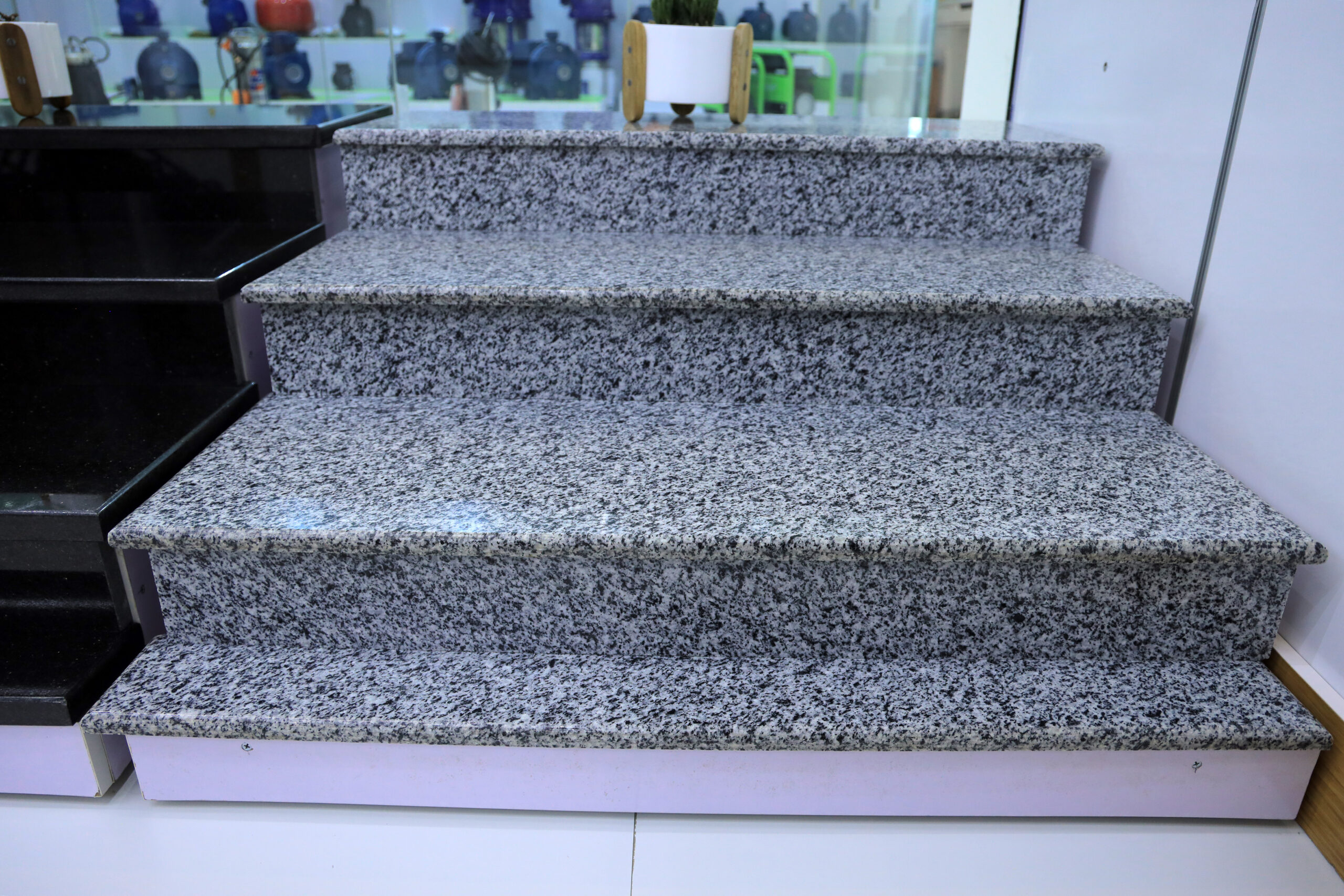
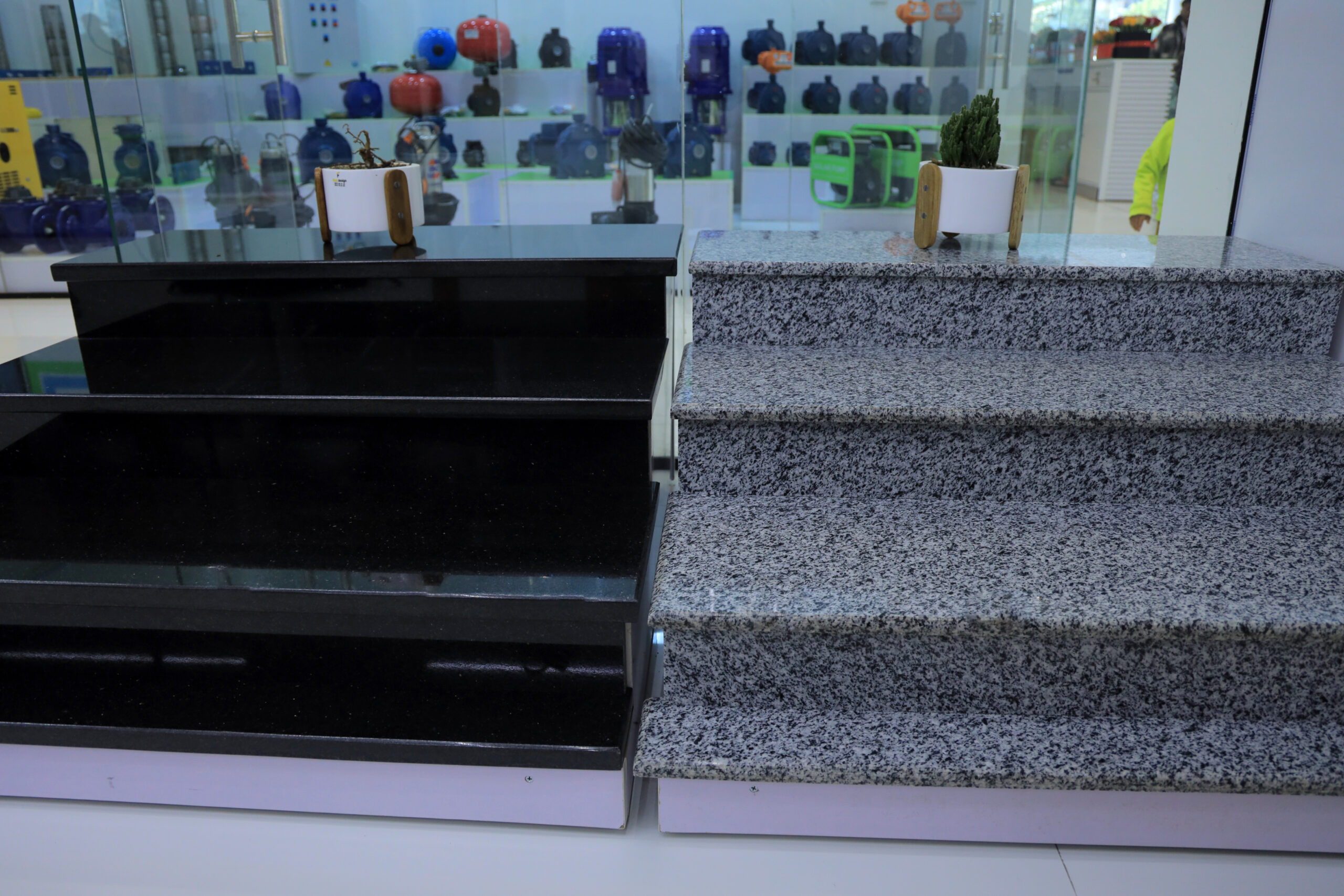
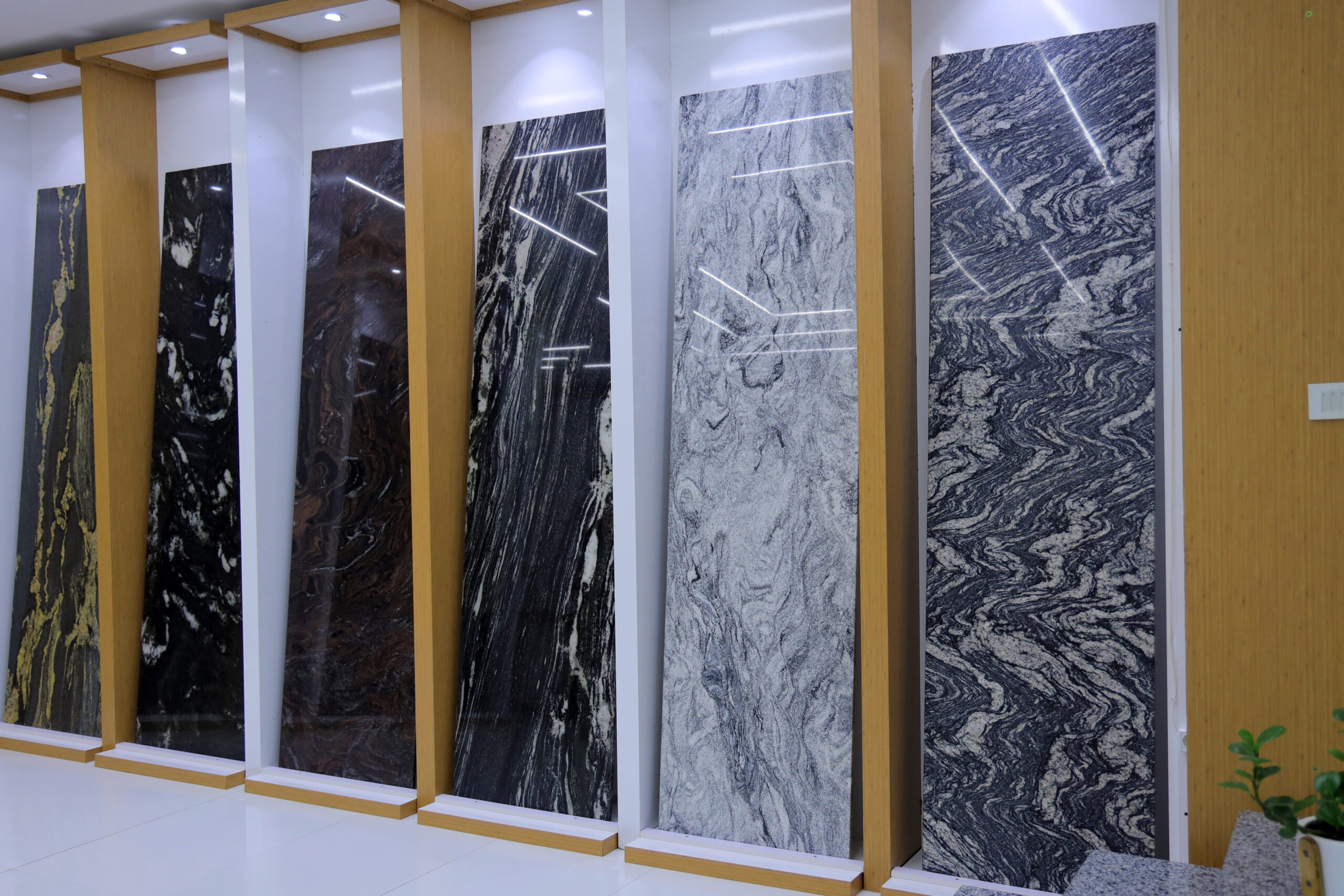
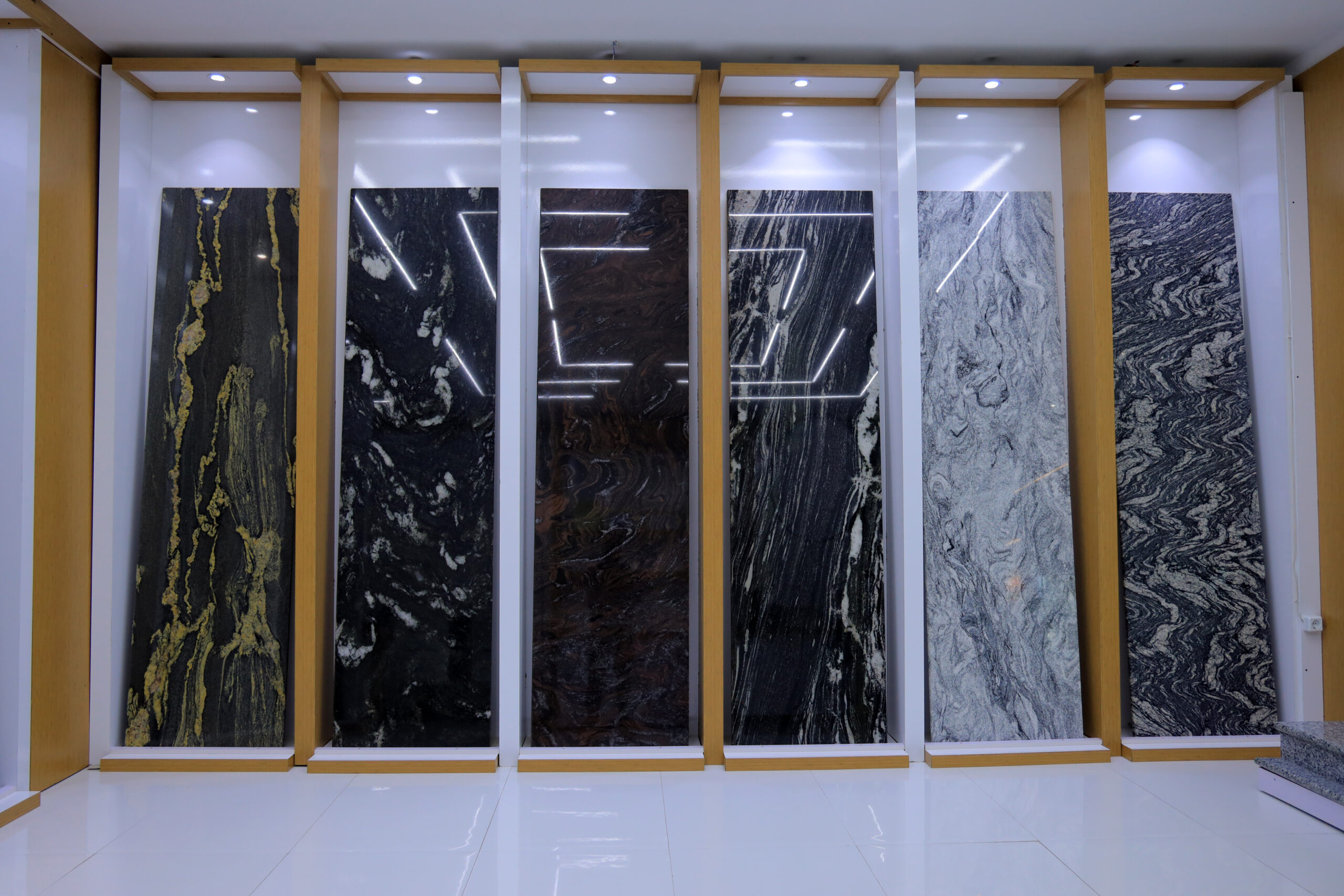
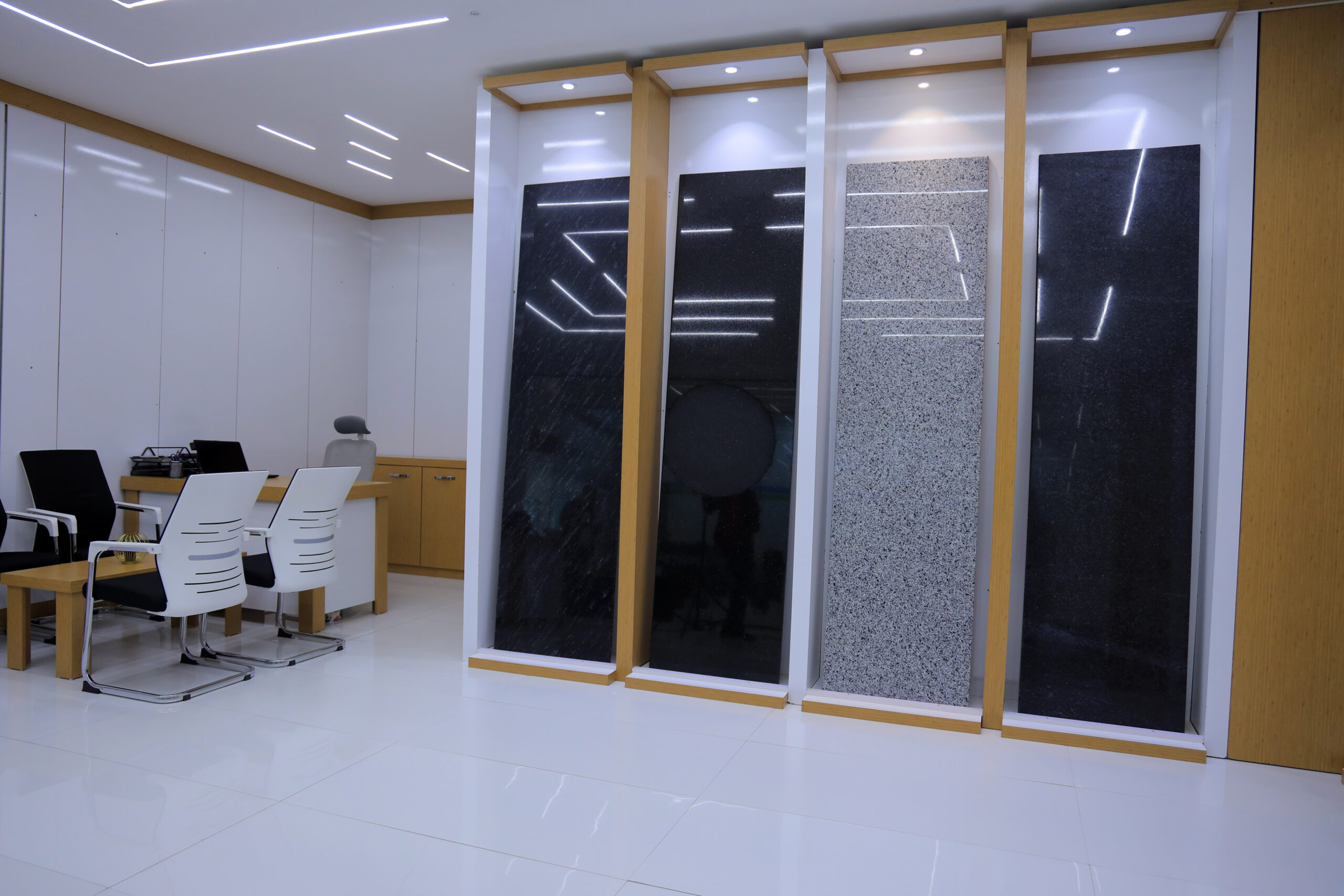
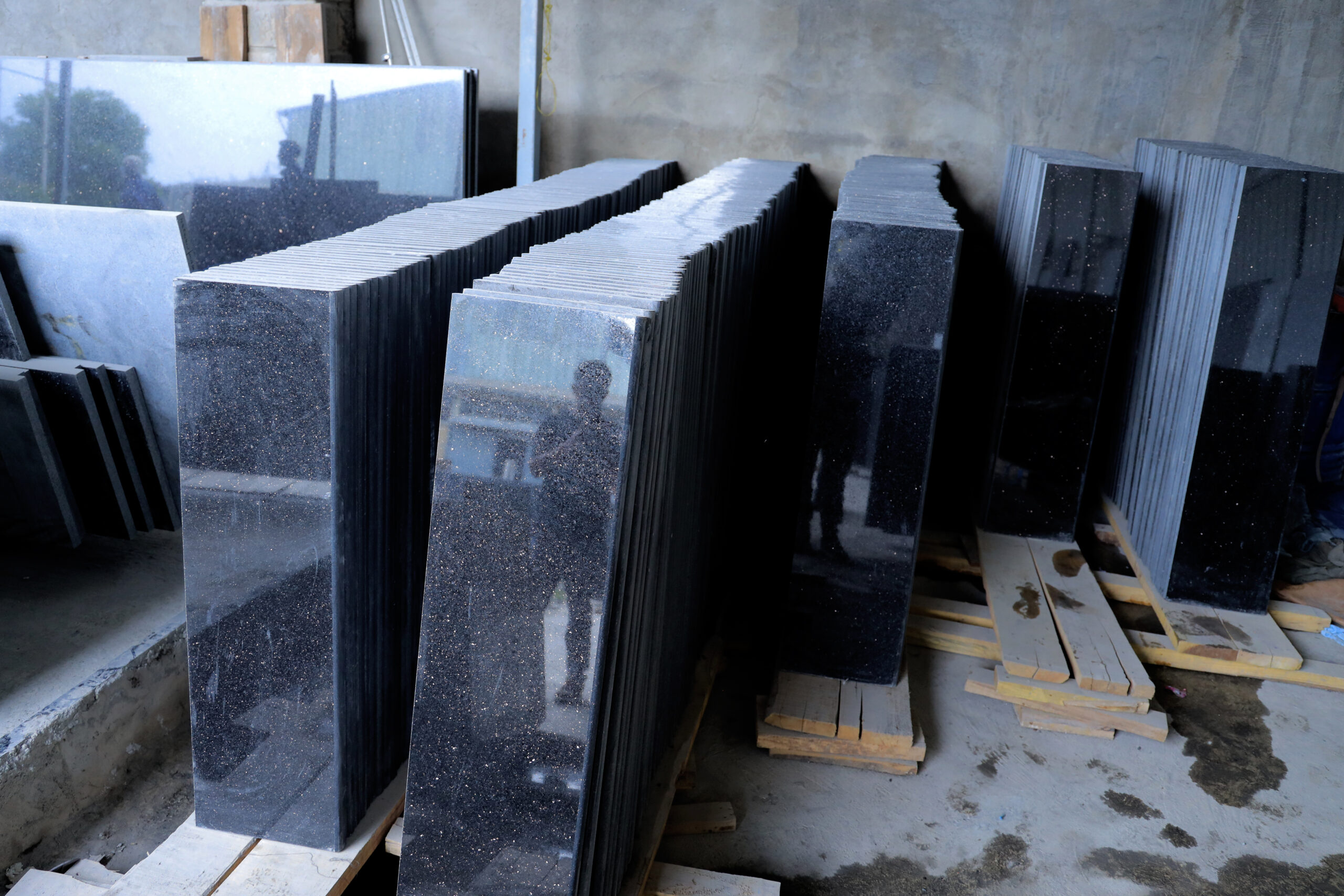
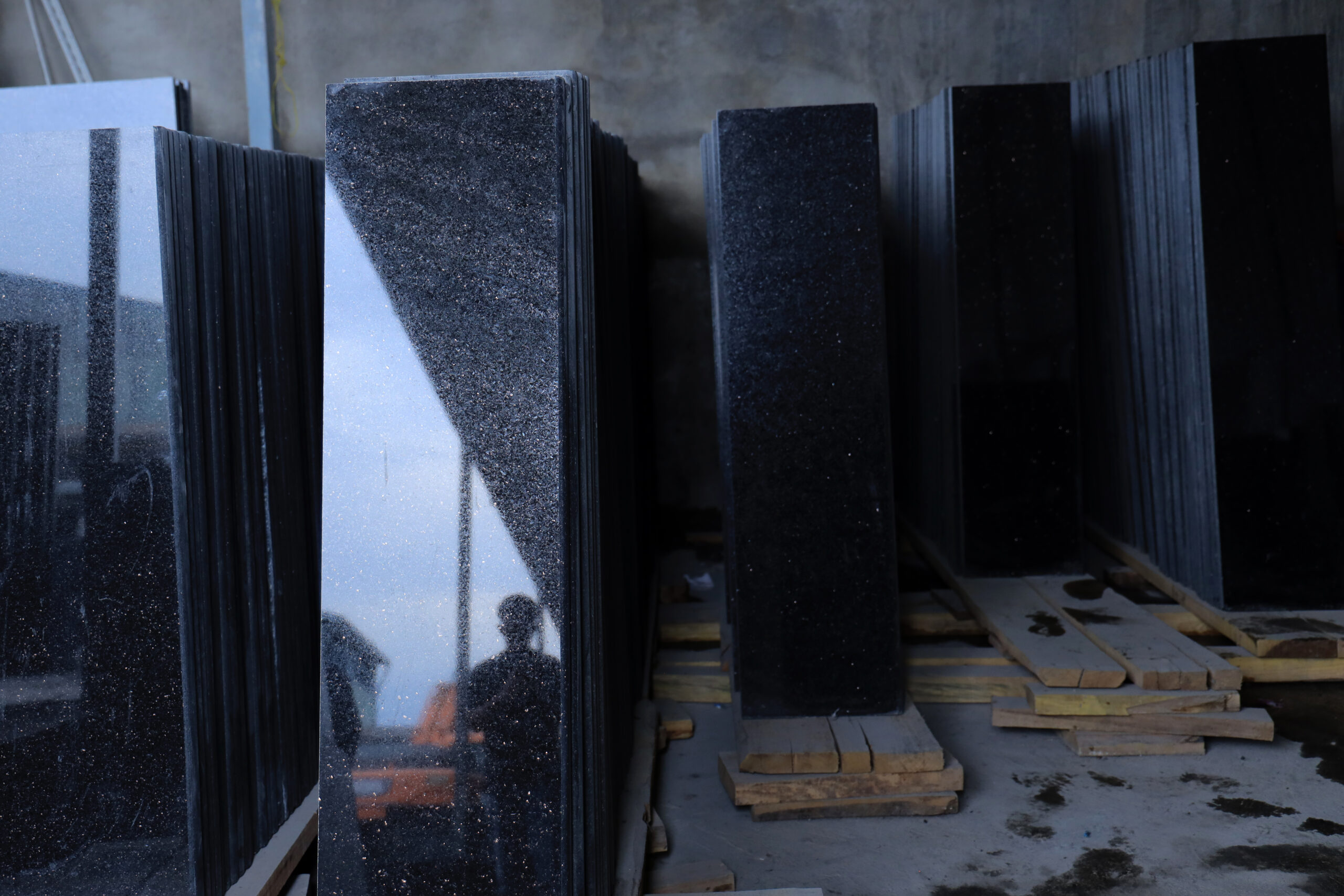
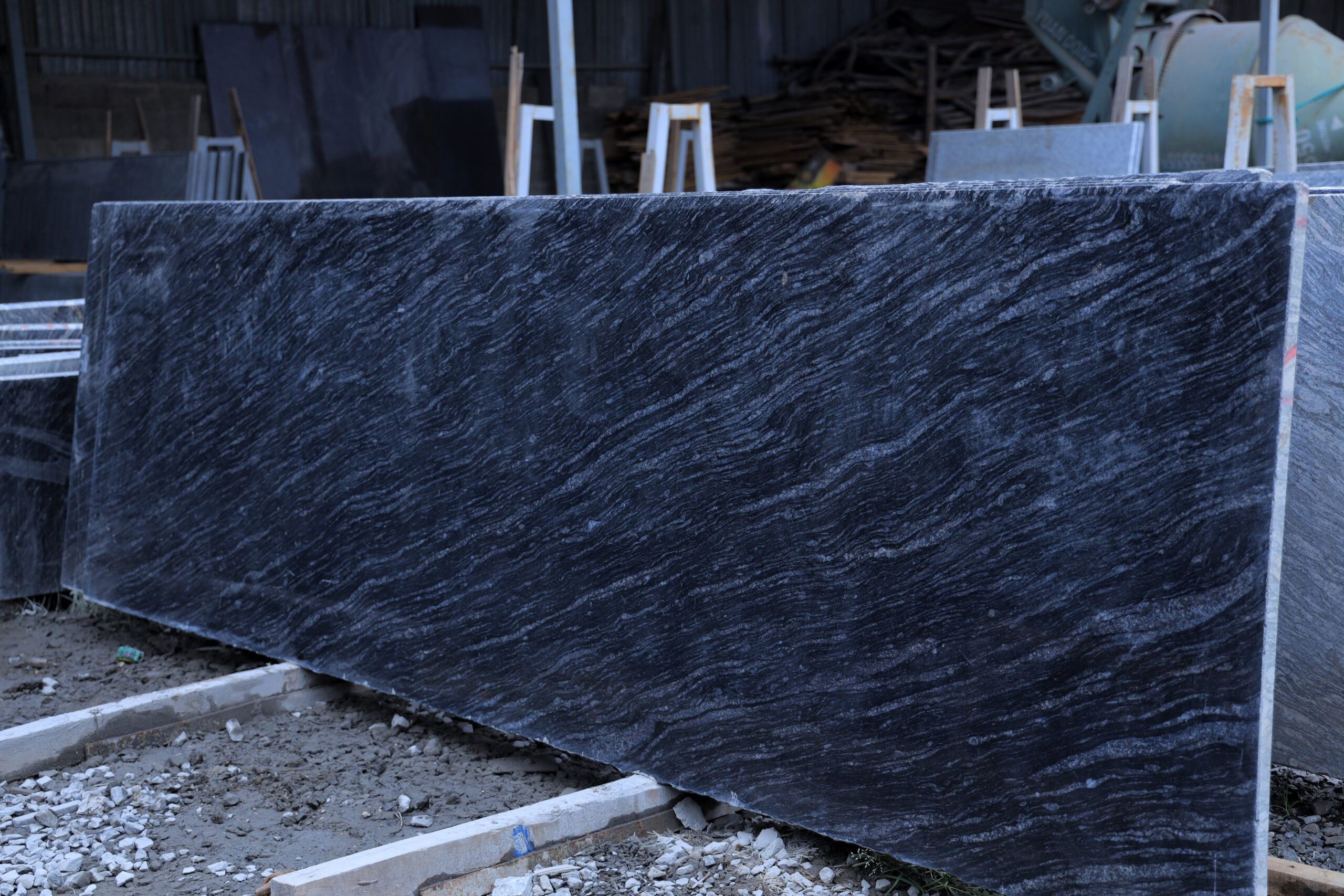
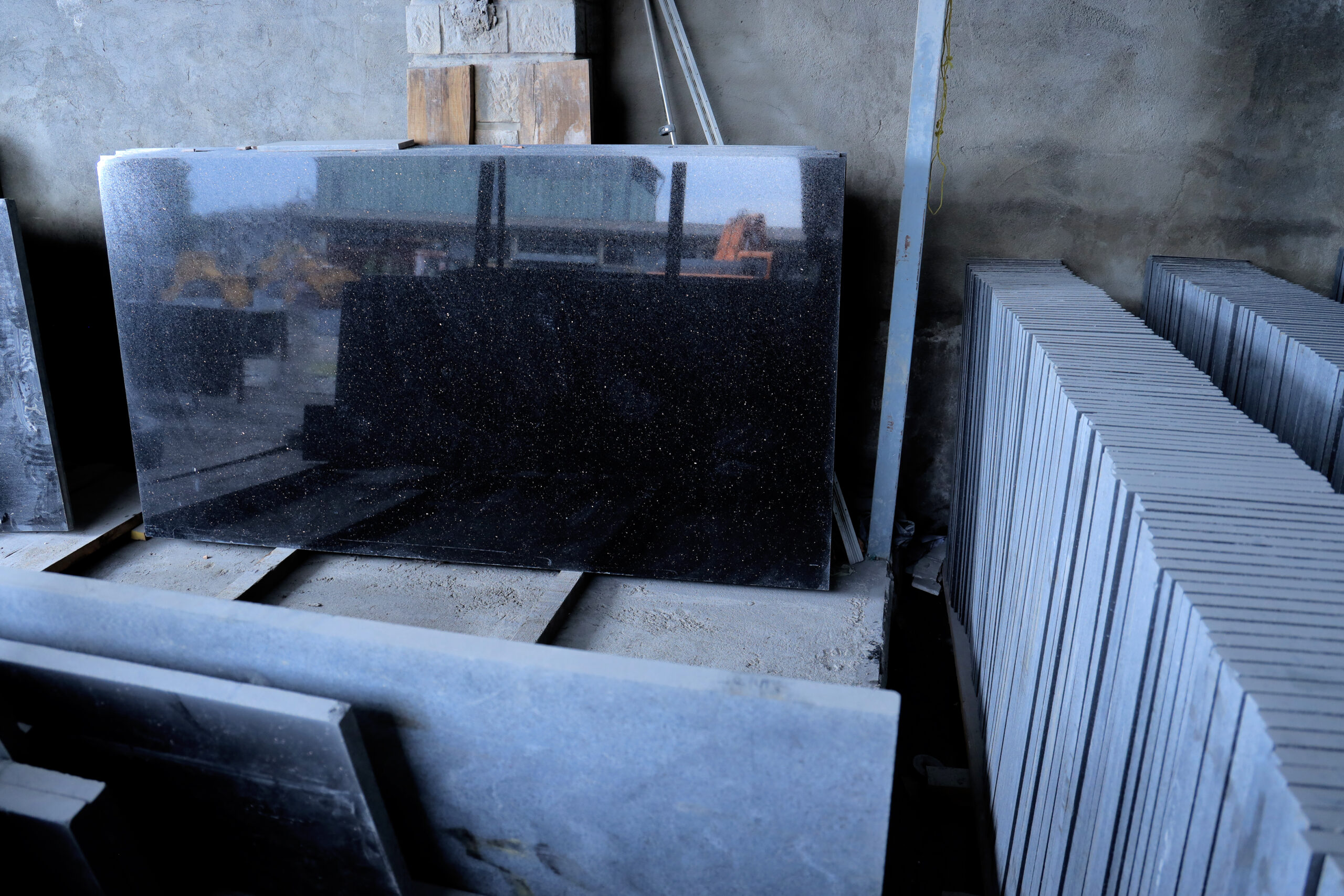
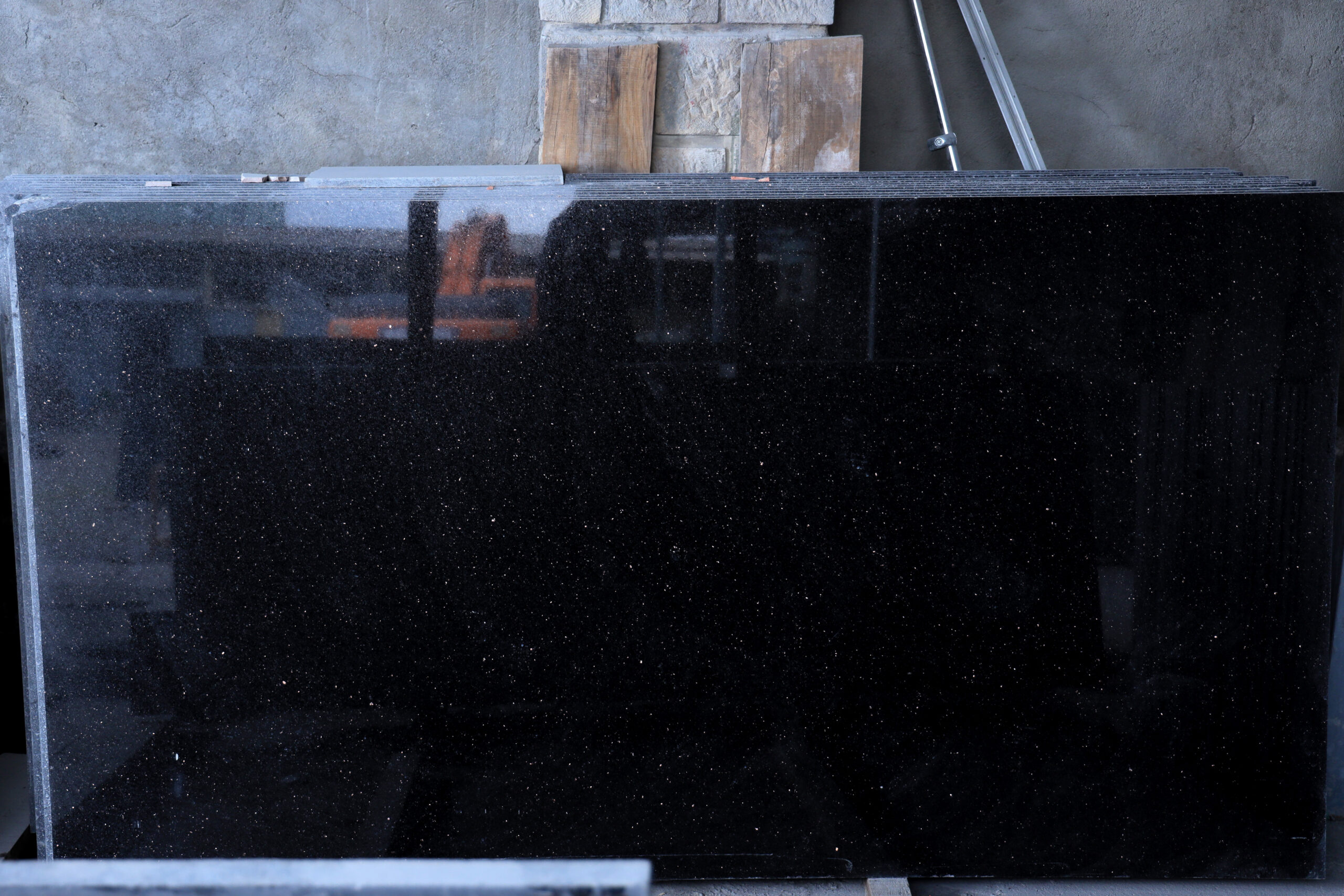
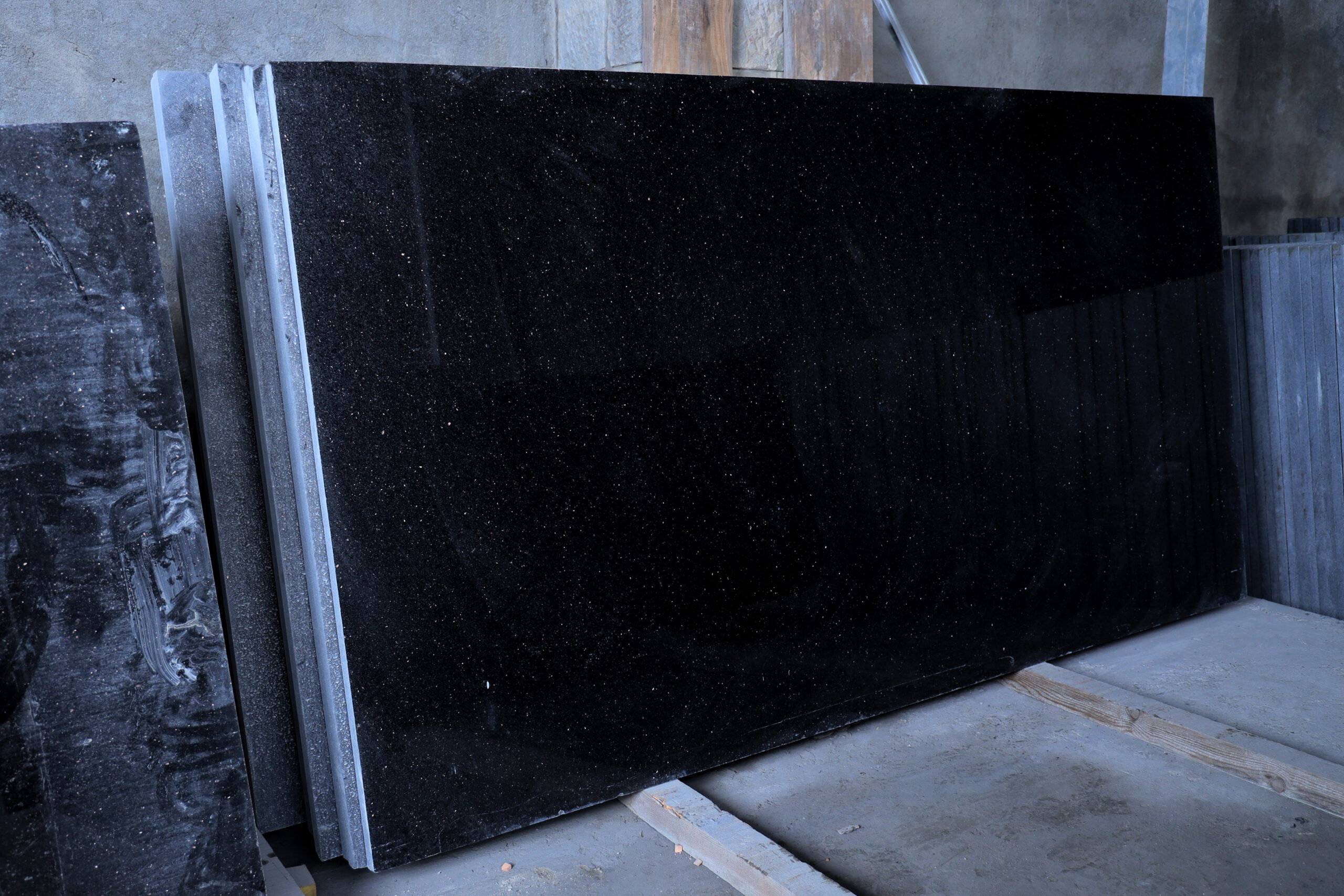
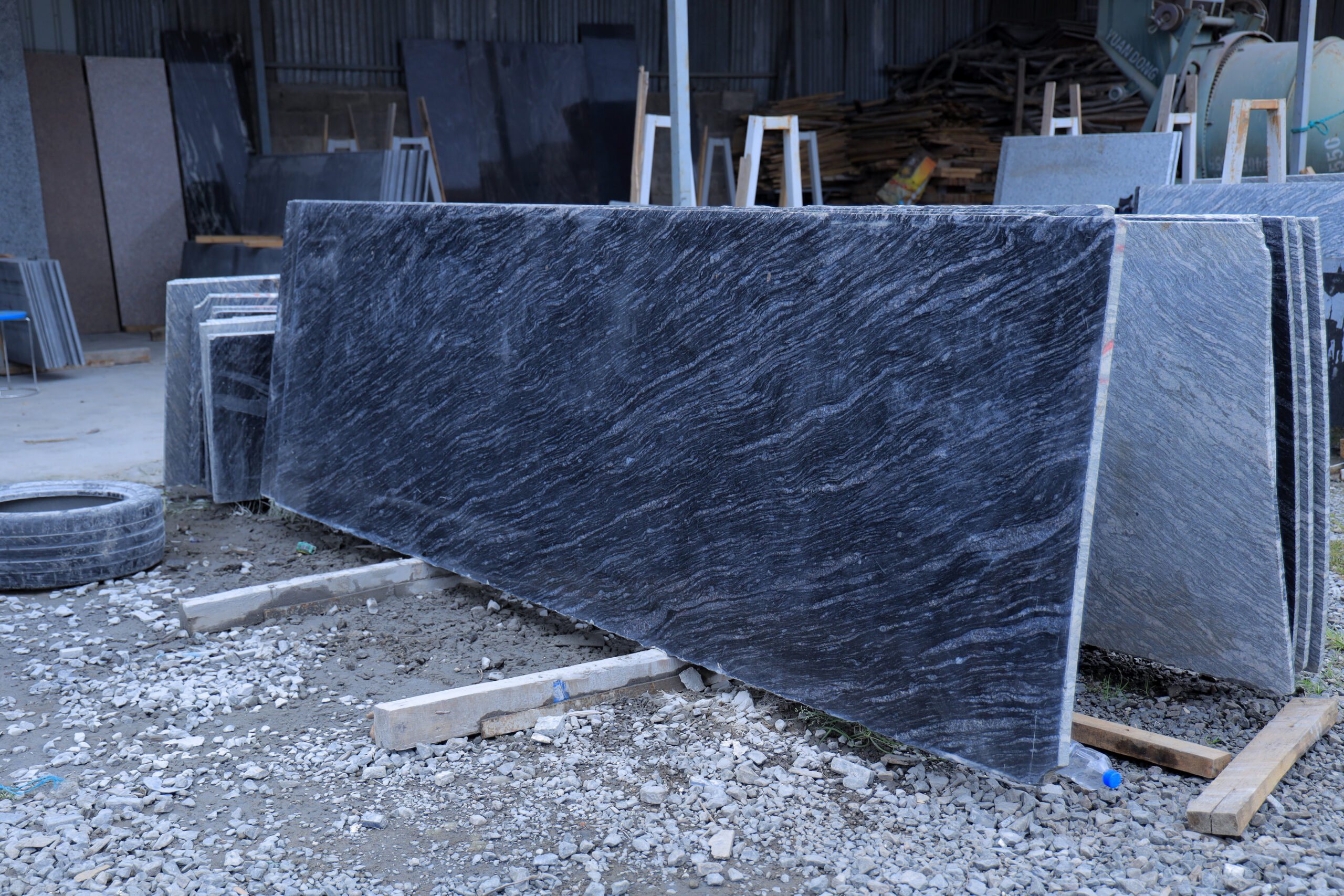
Properties: Marble, a metamorphic rock primarily composed of calcite, is celebrated for its luxurious appearance, characterized by unique veining and a smooth, polished surface. Available in colors like white, gray, black, pink, or green, its natural patterns add sophistication to any space. However, it’s softer and more porous than granite, making it prone to scratches and stains without proper sealing.
Applications: Marble’s aesthetic appeal makes it ideal for:
Interior design: Countertops, bathroom vanities, and fireplace surrounds for a refined look.
Flooring and wall cladding: Creates elegant lobbies, bathrooms, or accent walls.
Sculptures and decorative elements: Its workability suits intricate designs.
Less common for high-traffic exteriors due to its susceptibility to weathering.
Processing Services: Marble is enhanced through:
Advanced Cutting: CNC or waterjet cutting ensures precision for custom tiles, slabs, or intricate patterns.
Polishing: Achieves a glossy, reflective finish to highlight veining.
Edging: Profiles like ogee or eased edges add tailored elegance to countertops or tabletops.
Finishing: Options include polished (shiny), honed (matte), or brushed for varied aesthetics.
Consultation Support: Experts guide clients in selecting marble for its visual impact, recommending it for low-traffic or decorative applications due to its maintenance needs. They advise on sealing (every 6-12 months) to protect against stains and etching, especially in kitchens or bathrooms. Color and veining patterns are matched to design visions, ensuring harmony with other materials.
Considerations: Marble requires regular maintenance to preserve its beauty, including sealing and avoiding acidic substances (e.g., wine, lemon juice) that can etch the surface. Consultants ensure clients understand these needs and plan for proper installation and care.